
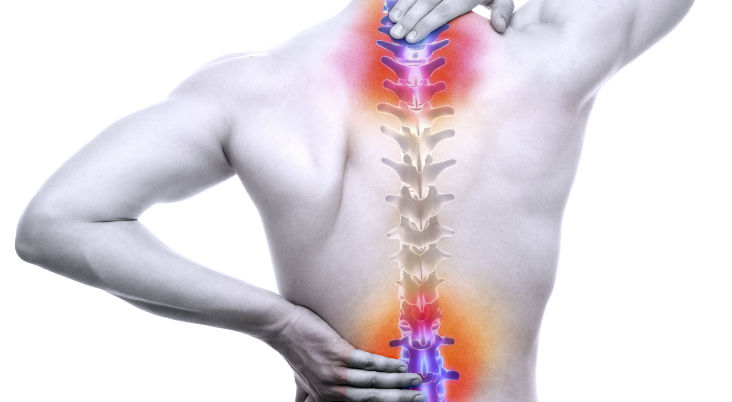
Recently, Google Alerts brought an article published in the Global Spine Journal to my attention, focused on cost contributors to hospitals in regards to spine surgery. I found myself slowly descending into a rabbit hole to suss out if the findings were attributable to clinical application. What I mean to say is, the article seems to be from the perspective of a Value Analysis Committee (VAC) and although there is clearly data and statistics to show how and where money is being spent by the hospital, I can’t 100% be certain that when I read “overuse of advanced imaging…is a significant problem”, that there isn’t more nuance going on. I started researching each of the claims and realized it PROBABLY makes more sense to have each be their own separate post, so this post is simply to summarize the findings of the original article, which can be found here:
Introduction
- 80% of patients in the United States will experience back pain, and only 1.2% of these patients receive a surgical intervention.
- Those patients who receive spine surgery account for approximately 30% of the total US healthcare expenditure due to back pain.
- The utilization of CT and MRI has increased every year among academic medical centers. From 2002-2007, the use of CT increased by 28%; MRI by 19.8%, with costs over the same period growing by 151%—more than 8.3% per year.
1. Overuse of advanced imaging, particularly MRI, for low back pain is a significant problem.
- Unnecessary imaging: Most patients with low back pain do not require advanced imaging, yet MRI is frequently ordered.
- High costs: The overuse of MRI leads to substantial unnecessary healthcare spending.
- Ineffective care: Studies show no benefit in terms of pain, function, or quality of life from using MRI for most low back pain patients.
- Alternative imaging: CT scans can often provide sufficient information, reducing the need for MRI.
- Failed interventions: Despite efforts to educate healthcare providers, the overuse of MRI persists due to various pressures.
2. Routine use of MRI for cervical spine clearance after trauma is unnecessary and costly.
- CT scans are sufficient: CT imaging is highly accurate in detecting significant cervical spine injuries and is often the only imaging needed.
- MRI is expensive and unnecessary: MRI is significantly more expensive than CT and rarely provides information that changes patient management.
- Cost implications: The widespread use of MRI for cervical spine clearance results in substantial unnecessary healthcare spending.
In conclusion, relying on CT scans for cervical spine clearance is a more cost-effective approach without compromising patient safety.
Key points:
- CT scans are highly effective for detecting cervical spine injuries.
- MRI is rarely necessary for cervical spine clearance.
- MRI is significantly more expensive than CT.
- Routine MRI use for cervical spine clearance is not cost-effective.
3. Routine MRI for thoracolumbar fractures is often unnecessary and costly.
- Limited clinical utility: While MRI is sensitive in detecting spinal injuries, it often does not change treatment plans for patients with thoracolumbar fractures.
- Increased costs: MRI significantly increases healthcare costs without providing substantial clinical benefits.
- Alternative imaging: CT scans offer comparable diagnostic accuracy for many fractures and are significantly less expensive.
In conclusion, the routine use of MRI for all patients with thoracolumbar fractures is not justified by the evidence and leads to unnecessary expenses.
Key points:
- MRI is sensitive but often does not change treatment plans.
- MRI significantly increases healthcare costs.
- CT scans provide comparable diagnostic information at a lower cost.
- Routine MRI for all thoracolumbar fractures is not justified.
4. Intraoperative Neuromonitoring (IONM) is a widely used but potentially overutilized tool in spine surgery, cervical.
- Lack of evidence: While observational studies suggest IONM benefits complex surgeries, there’s no definitive proof through randomized controlled trials.
- Overutilization: IONM usage has surged without a corresponding decrease in neurological injury rates.
- Increased costs: Using IONM often leads to higher healthcare expenses without guaranteed benefits.
- Limited utility for routine procedures: Studies indicate IONM might be unnecessary for simpler procedures like anterior cervical discectomies and fusions.
Despite its potential to prevent neurological injuries, there is limited evidence supporting its effectiveness, especially for routine procedures. In conclusion, the routine use of IONM in spine surgery may not be justified by the current evidence and can lead to increased costs without improving patient outcomes.
Key points:
- IONM is widely used but lacks strong evidence for effectiveness.
- IONM usage has increased significantly without reducing injuries.
- IONM can increase healthcare costs.
- IONM might be unnecessary for routine spine surgeries.
5/6. Intraoperative Neuromonitoring (IONM) is a costly tool with uncertain benefits, lumbar spine / single-level surgery.
- Limited effectiveness: IONM has not consistently shown to reduce neurological injury rates, even for complex procedures.
- High costs: The use of IONM significantly increases healthcare expenditures.
- Inconsistent practice: The way IONM is implemented varies widely, potentially affecting its effectiveness.
While IONM is widely used to prevent neurological injuries during spine surgery, evidence suggests it may be overutilized. There is a need for more rigorous research to determine the optimal use of IONM and to develop guidelines for its application.
7. The routine use of spinal orthoses* after spine surgery is questionable.
- Lack of evidence: Studies have failed to demonstrate clear benefits of spinal orthoses in most spine conditions.
- Increased costs: Spinal orthoses add significant costs to healthcare without proven benefits.
- Potential harm: Some studies suggest that cervical collars may even cause harm.
- Limited exceptions: The use of spinal orthoses may be justified in specific cases, such as traumatic spine injuries.
Despite widespread use, there is limited evidence supporting the effectiveness of spinal orthoses in improving patient outcomes. Overall, the routine use of spinal orthoses after spine surgery should be reconsidered in light of the limited evidence and associated costs.
*a mechanical device that helps support, correct, and immobilize the spine
Key points:
- Spinal orthoses are commonly used but lack strong evidence for effectiveness.
- Spinal orthoses can significantly increase healthcare costs.
- Some studies suggest spinal orthoses may cause harm.
- The routine use of spinal orthoses after spine surgery should be reconsidered.
8. The use of biologics in spinal fusion is increasing, but their cost-effectiveness is unclear.
- Cost-benefit analysis: Research on the cost-effectiveness of biologics in spinal fusion is limited.
- Factors affecting cost: The price of biologics, potential reduction in reoperations, and improved patient outcomes all influence the overall cost-effectiveness.
- Need for further research: More studies are needed to determine the optimal use of biologics and their true value in spinal fusion procedures.
To avoid the complications of traditional bone grafting, surgeons are turning to biologics to promote spinal fusion. While these alternatives offer potential benefits, their costs and long-term outcomes are not fully understood. Ultimately, the goal is to balance the benefits of biologics with their costs to achieve the best possible outcomes for patients.
9. Robotic spine surgery offers potential benefits but requires further cost-effectiveness analysis.
- Potential benefits: Robotic surgery may lead to better patient outcomes, including reduced infection rates and fewer revision surgeries.
- High costs: The initial investment in robotic technology is substantial, making it a challenge for many healthcare facilities.
- Limited data: While some studies suggest potential cost savings through reduced complications and hospital stays, more research is needed to confirm these benefits.
Robotic technology in spine surgery has the potential to improve accuracy, reduce complications, and shorten recovery times. However, the high cost of implementing robotic systems presents a significant barrier to widespread adoption. Overall, while robotic spine surgery holds promise, a comprehensive cost-benefit analysis is necessary to determine its true value and identify the most appropriate surgical applications.
10. Routine preoperative blood tests for elective spine surgery may be unnecessary and costly.
- Low transfusion rates: The majority of spine surgery patients do not require blood transfusions.
- Unnecessary costs: Routine blood tests, such as CBC and Type & Screen, add significant costs to patient care without providing substantial benefits for most patients.
- Overutilization of post-operative tests: Excessive testing for post-operative fevers often leads to unnecessary costs and patient anxiety.
- Need for risk-based testing: Identifying patients at high risk for blood transfusions or complications can help reduce unnecessary testing.
In conclusion, a more selective approach to blood testing in spine surgery can help reduce costs and improve patient care without compromising safety.
References
Image — https://arksurgicalhospital.com/five-ss-severe-spine-pain-surgery-helps/
Philipp LR, Leibold A, Mahtabfar A, Montenegro TS, Gonzalez GA, Harrop JS. Achieving Value in Spine Surgery: 10 Major Cost Contributors. Global Spine Journal. 2021;11(1_suppl):14S-22S. doi:10.1177/2192568220971288
 The Brit Factor
Leave a comment